
May 1, 2026
America’s Healthiest Schools Spotlight: Bringing Movement to Life at Richland One School District in South Carolina
From student voice to staff buy-in, a closer look at how movement is transforming school culture in Columbia, South Carolina.
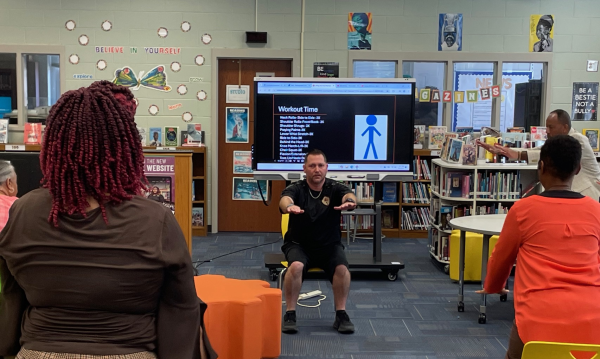
Editor’s note: At Healthier Generation, we know that healthy schools don’t happen by chance. They’re built by dedicated educators, district leaders, and communities working together to support the whole child. This Q&A kicks off our America’s Healthiest Schools Spotlight series, highlighting the people driving health and well-being in schools across the country.
In Columbia, SC, Richland One School District is gaining national recognition for prioritizing the well-being of its 22,000 students. In 2025, all 48 schools in the district were recognized as America’s Healthiest Schools.
We asked Brian Baumgardner, M.Ed., Lead Health and Physical Education Teacher, how Richland one is centering student voice, expanding activity options, and creating more inclusive PE experiences.
Q: How has your district reframed physical education as essential?
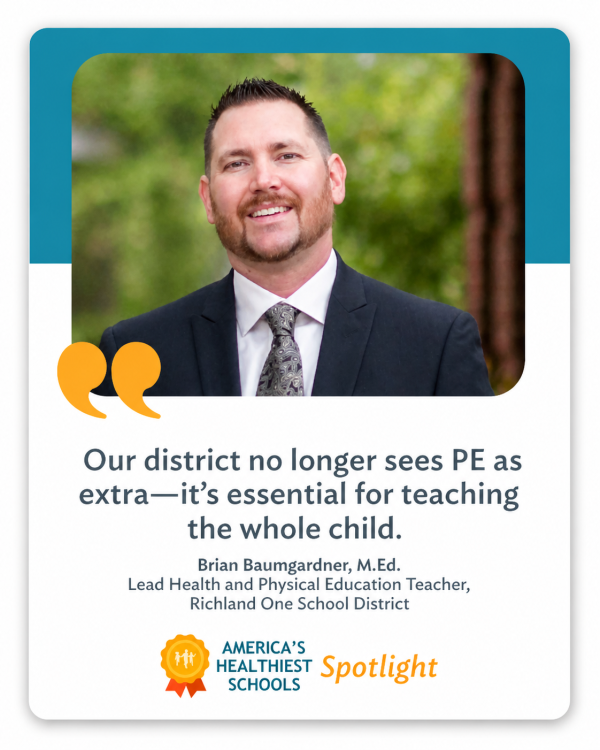
A: Our district no longer sees PE as extra—it’s essential for teaching the whole child. Our district leaders now see that physical activity directly supports academic success. When students are moving, we’re seeing real outcomes. They stay on task longer, behavior issues decrease, and they’re better able to manage social and emotional challenges.
We’ve also seen improvements in attendance. Students genuinely enjoy coming to school, especially PE, and that sense of belonging carries into the rest of their day.
Participating in America’s Healthiest Schools has helped reinforce that shift. It gave us a framework and validated what we were already seeing.
“Nontraditional activities give every student a chance to shine.”
Q: What does inclusive, engaging PE look like in your school?
A: I focus on giving students voice and choice. I survey them, talk with them about what they want to learn, and build units around their interests. That ownership helps them feel more engaged and confident.
I’ve shifted away from traditional sports and toward nontraditional, lifelong activities like table tennis, cornhole, badminton, and putt putt. These activities level the playing field and give students who may not love traditional PE a chance to succeed.
That shift has made a real difference. Students who were hesitant before are now participating and building relationships. It’s about creating a space where every student feels successful.
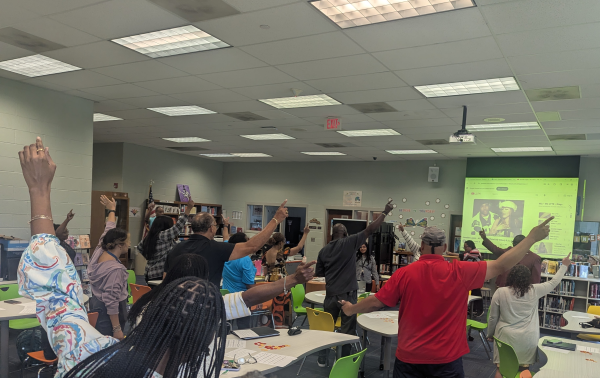
Q: How do you build buy‑in among teachers and students?
A: I remind teachers that movement helps their classrooms run more smoothly. A three‑minute break can reset focus and reduce behavior issues. Relationships are also huge. When students see teachers moving with them, it changes the dynamic. They open up more, and that builds trust.
"Partnerships show students that people beyond the school walls care about them.”
Q: What role do partnerships play in your work?
A: Partnerships are everything. We work with recreation centers, hospitals, sports leagues, a local college, and even professional teams. Grants help us expand opportunities. For many students, these partnerships show them that people outside the school care about their success. It takes time to build those relationships, but the impact on students makes it worth it.
Thank you, Brian!
Looking for ideas to bring movement to your school or district?
Watch our webinar, Building Healthier School Environments: Best Practices in Physical Education & Activity, to hear directly from district leaders about what’s working and how to get started.
Explore America’s Healthiest Schools and related stories:
- Read more about the America's Healthiest Schools award
- Springhill Lake Elementary Cultivates Student and Staff Well-Being in Maryland
- Engaging Staff, Supporting Families: How Shades Mountain Elementary in Alabama is Building a Culture of Health
-By Nicole Blanton