


June 25, 2026
Exploring Boston’s Black Heritage Trail: Q&A with Ranger Shawn Quigley
Learn more about The Walking Classroom's podcast episodes exploring the history and impact of Boston's Black Heritage Trail.
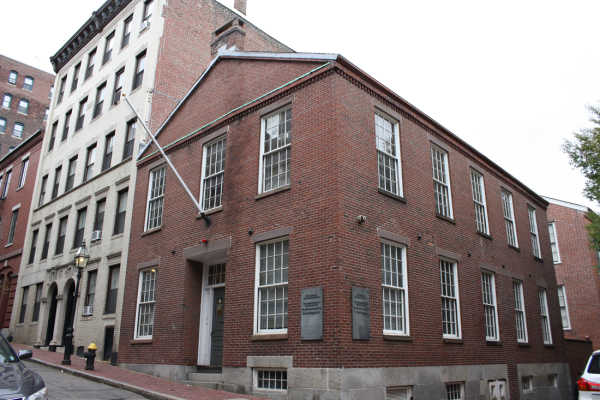
The Black Heritage Trail, part of Boston’s African American National Historic Site, is more than a journey through some of the city’s most renowned streets—it's a living classroom where history, place, and purpose come together. In partnership with the National Park Foundation, these podcast episodes from The Walking Classroom explore the people, places and stories that shaped the city's free Black community.
In this Q&A, National Park Service Ranger Shawn Quigley discusses the power of connecting students to history where it happened.
Q: What made the Black Heritage Trail such a meaningful focus for The Walking Classroom podcast episodes?
A: Given The Walking Classroom's core methodology to "Walk, Listen and Learn," the Black Heritage Trail is a natural fit. The Trail offers a powerful opportunity to get outside and experience Black history where it actually happened, along the streets of Beacon Hill's north slope.
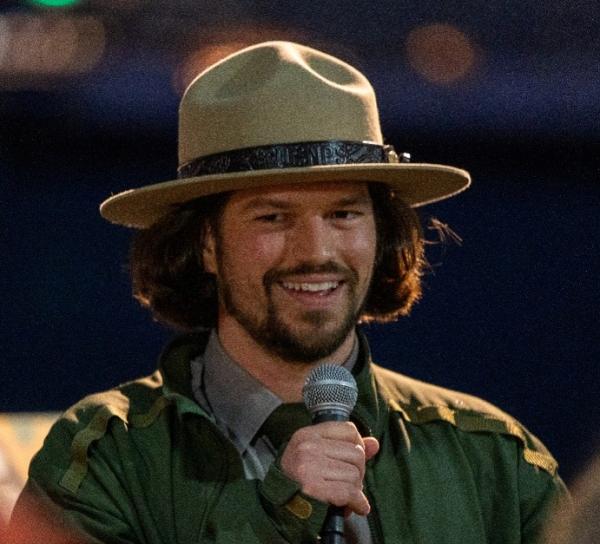
This area was home to one of the country's earliest free Black communities and holds stories of changemakers and activists who pushed for equality and freedom. Partnering on a podcast here allows learners to move through space while also moving through history.
Q: The podcast brings listeners through Beacon Hill and introduces them to the people who fought for freedom and equal education in Boston. Why is this place-based storytelling so impactful for students?
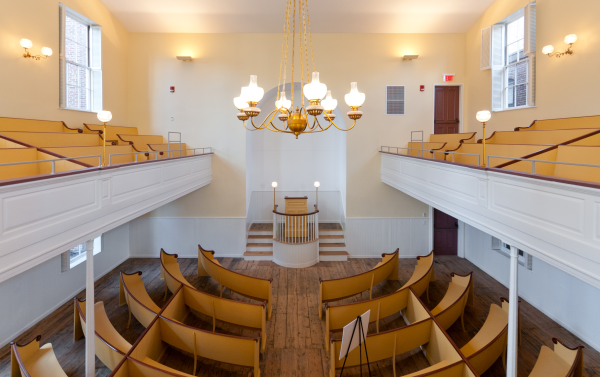
A: Learning in place makes history tangible. When students walk the Black Heritage Trail and visit sites like the African Meeting House and Abiel Smith School, they are not just hearing history—they are standing in it.
That experience creates a sense of connection across time. It helps students understand that major movements for justice didn't only happen far away or long ago—they happened in neighborhoods that are still active, lived-in communities today. That proximity makes the stories more real and relevant.
"When students walk the Black Heritage Trail, they are not just hearing history—they are standing in it."
Q: What do you hope students take away after listening to these episodes?
A: We hope students come away with a sense of connection—to the history, to the people who lived it, and to the idea that change is something ordinary people have always been capable of making.
By engaging with these stories, students can see examples of courage and persistence that help them recognize issues in their own communities and feel empowered to respond.
Q: Many people know Boston for its role in the American Revolution but may know less about its Black history. Why is it important to elevate these stories?
A: These stories help complete the picture of history. What we understand today has been shaped by what has been preserved and shared over time, which means some narratives have been emphasized more than others.
Elevating Black history in Boston helps us see history as a fuller, more complex story—not just a series of events, but lived experience and ongoing change.
A more complete history gives us better tools to understand the present and navigate the future.
Q: The podcast explores themes of courage, activism, and collective action. Why are these themes especially relevant for young people today?
A: Young people today are growing up in a world that is highly connected but also filled with complex challenges. It can sometimes feel like change is already happening elsewhere, or that individual action does not matter.
These stories show the opposite—that meaningful change has always depended on people choosing to engage, speak up, and work together. Understanding collective action in history helps students see their own capacity to contribute to change in the present.
"A more complete history gives us better tools to understand the present and navigate the future."
Q: Is there a particular story that resonates with you personally?
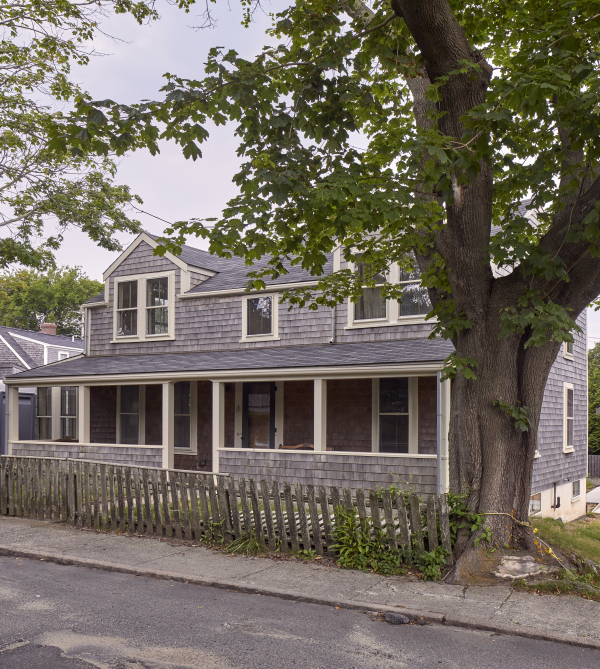
A: The story of Lewis and Harriet Hayden stands out. In particular, the moment when Lewis Hayden told slavecatchers that he would rather destroy his own home—by igniting gunpowder—than allow anyone to be returned to slavery.
That moment reflects their conviction and willingness to take extraordinary risks to protect freedom seekers. Their home became a safe harbor, and their actions show how individual decisions in critical moments can change the course of someone's life.
"Their actions show how individual decisions in critical moments can change the course of someone's life."
Q: For those who are inspired by the podcast, what would you encourage them to explore or experience next?
A: We encourage people to experience these sites in person whenever possible. Walking the Black Heritage Trail and visiting the Museum of African American History brings these stories into a powerful real-world context.
Virtual tours are also available for those who cannot visit in person. Beyond Boston, we also encourage exploring other National Parks of Boston sites and related historic spaces that continue to tell the story of Black history and community.
There is always more to discover, and more places where learning can continue through walking.
Q: What do you hope educators take away from the podcast and how might they use it to spark conversations about history and civic engagement?
A: We hope educators see this as a way to bring history into motion—literally and figuratively. Place-based learning is most powerful when it is connected to classroom learning and students' own communities.
These stories can help spark conversations about how history informs the present, especially around civic engagement, policy, and community action. History is not only something to study—it can also serve as a guide for how we understand and shape the world moving forward.
Continue the journey with The Walking Classroom
Listen to The Walking Classroom podcasts to discover the people, places, and powerful moments that make Boston's Black Heritage Trail such an important part of American history:
-By Nicole Blanton