
March 30, 2026
Resources to Support Social-Emotional Health and Connection in Schools and Communities
Explore resources to support connection, belonging, and social-emotional well-being for students and families in your community.
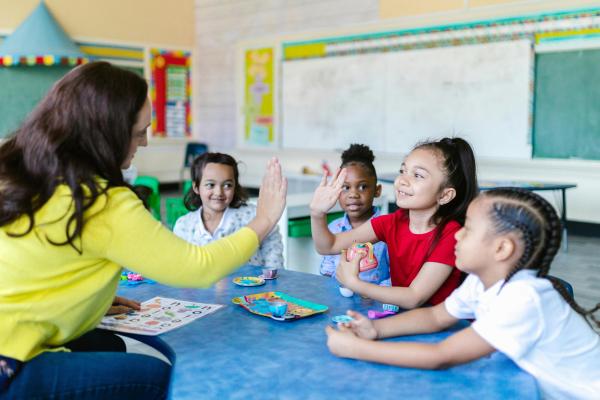
Young people across the U.S. are navigating uncertainty, current events, and everyday stressors that can impact their sense of safety, connection, and well-being—affecting not only students, but also the families, educators, and communities who support them.
Healthier Generation is committed to sharing tools and guidance to help families and schools support social-emotional health. Cultivating social-emotional health is not a one-time activity or standalone initiative. It is an ongoing, shared effort to create environments where young people feel seen, supported, and connected. Below are curated resources to support social-emotional health across school, home, and community settings.
Resources for Schools
Worksheet: Check Your Bs: How to Manage Stress at School | en Español
Use this worksheet with students to build self-awareness and self-regulation skills.
Virtual Me Moments Hub | en Español
Accessible strategies to help students and adults manage emotions and prepare to learn and connect.
Curriculum: Enhancing Safe Learning Environments through Engagement and Connection
This three-part series from Healthier Generation and Kaiser Permanente helps school administrators and staff cultivate safe learning environments.
Applying the Trauma-Informed Lens to Staff Well-Being Policies and Practices
Use this resource to help align policies and practices with trauma-informed principles to support staff well-being.
Boundary Setting Tool | en Español
A practical tool to help build healthy boundaries and support a positive work culture.
Classroom-Based Calming Spaces Toolkit
Use this toolkit to implement a classroom-based calming space.
5-Week Guides for Creating a Caring School Community
Grab-and-go resources to co-create a caring, supportive school environment with students, staff, and families.
Belonging Together
Explore Harmony Academy’s comprehensive, research-informed solution to help districts build cultures of belonging and strengthen connection across schools.
Collaborative for Academic, Social, and Emotional Learning (CASEL)
Research-based tools and guidance to help schools implement effective social-emotional learning practices.
Resources for Families and Communities
Four Family Activities to Try
Evidence-based activities to help families build connection, communication, and emotional awareness—available in English, Spanish, Simplified Chinese, and Nepali.
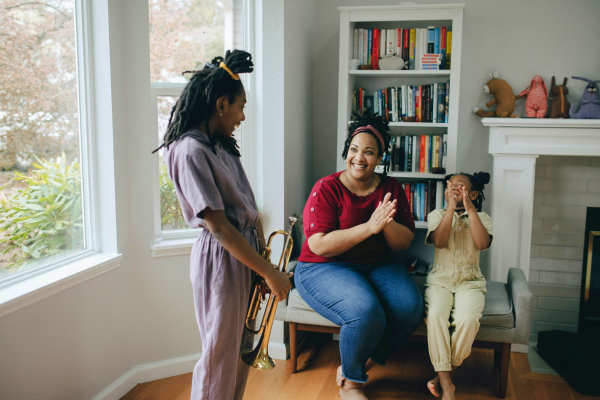
Microlearning: Quality Time in No Time | en Español
Quick, practical ways to make family time more meaningful and strengthen connection, even when schedules are busy.
Microlearning: How to Foster Self-Awareness when Challenging Emotions Arise
A 10-minute course to help families understand emotions, manage stress, and build healthy communication skills.
Healthy Relationships Start with Harmony At Home
Tools and resources to help families strengthen communication, build trust, and support emotional well-being at home.
Child Mind Institute: Family Resource Center
Find information and guidance to support children experiencing mental health, behavior, or learning challenges.
The Trevor Project: Crisis Support for LGBTQ+ Youth
24/7 crisis support and resources to help LGBTQ+ young people feel safe, seen, and supported.
The Kids Mental Health Foundation
Explore free, evidence-informed mental health tools and resources.
Understood
Information, tools, and support to help families care for children with learning differences.
Mental Health America (MHA): Youth Mental Health
Resources and information to support teens, young adults, families, and educators in navigating mental health and well-being.
Supporting social-emotional health starts with connection. Small, consistent practices can lead to meaningful change over time. By prioritizing relationships, creating supportive environments, and integrating these strategies into daily routines, schools and communities can help all young people feel supported and able to thrive.
Additional Resources
When We See Trauma Online and Offline: Resources for Caregivers and Educators
Guidance to help caregivers and educators recognize signs of distress and respond when young people are impacted by trauma online or offline.
8 Tips for Caregivers to Encourage Digital Well-Being
Practical tips to help families build healthy online habits and support young people in staying safe and balanced in digital spaces.
-By Nicole Blanton